Stop Paying for Generic B2B Data.
ZoomInfo is great for selling software. Optimus is built for selling freight. See why top brokerages are making the switch.
Shipper-Specific Data
ZoomInfo gives you a phone number. Optimus gives you lanes, commodities, and verified shipping volumes.
Decision Maker Accuracy
We verify contacts specifically in logistics/supply chain roles, eliminating the 'marketing manager' spam.
Cost Per Valid Lead
Stop burning credits on companies that do not fit your freight network. Optimus focuses the workflow on shipper accounts.
The Difference is in the Details
Generalist tools treat a freight broker the same as a SaaS sales rep. We know your workflow is different.
- ZoomInfo: Shows 'Revenue' and 'Employee Count'.
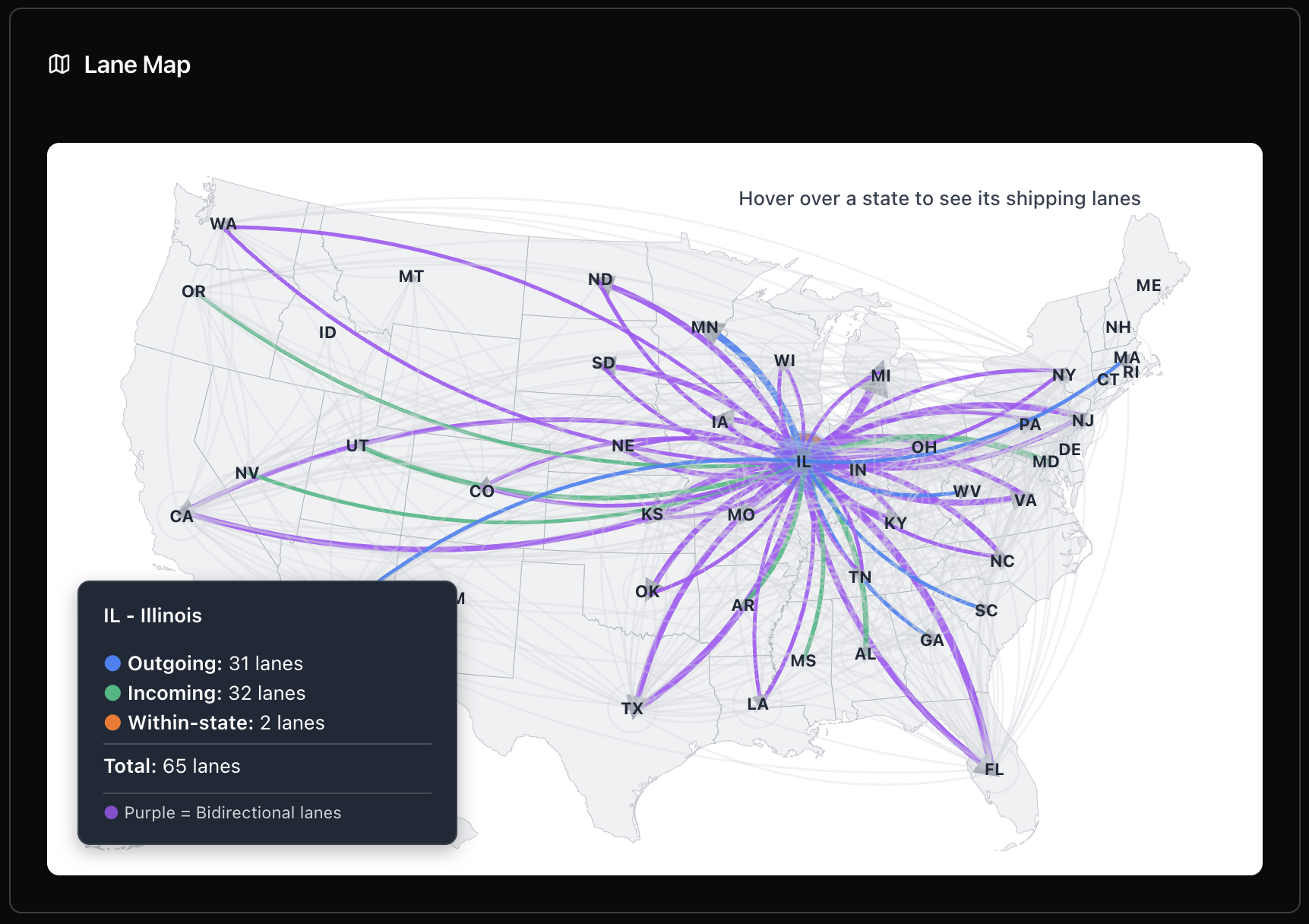
- Optimus: Shows 'Preferred Lanes'.
- ZoomInfo: Generic industry tags like 'Transportation'.
- Optimus: Granular tags like 'Refrigerated', 'Flatbed', 'Hazmat'.
- ZoomInfo: Expensive annual contracts with unused credits.
- Optimus: Flexible plans designed for brokerage margins.
Side-by-Side Comparison
| Feature | ZoomInfo | Optimus |
|---|---|---|
| Data Source | General B2B (All Industries) | Verified Shipper Records |
| Filtering Logic | Generic SIC Codes | Commodity & Equipment |
| Shipping Volume | None (Revenue proxy) | Verified Load Movements |
| Ideal For | Enterprise SaaS Sales | High-Ticket Freight Sales |
| True Cost | $$$$ (Expensive Contracts) | Higher ROI (Saves rep time) |
Frequently asked questions
Direct answers for freight teams comparing Optimus with ZoomInfo.
What is the main difference between Optimus and ZoomInfo for freight brokers?
ZoomInfo is a broad B2B data platform. Optimus is designed around freight-broker prospecting, combining shipper discovery with lane, commodity, equipment, volume, and logistics-contact context so teams can evaluate freight fit before outreach.
Can a freight brokerage use Optimus and ZoomInfo together?
Yes. A team can retain a general contact-data tool while using Optimus to identify and prioritize shipper accounts based on freight-specific signals. The right setup depends on which system owns prospecting, enrichment, and CRM records.
Which tool is better for finding shippers on specific lanes?
Optimus is the more specialized choice when lane fit, equipment type, commodities, shipping hubs, and freight patterns are core qualification criteria. General B2B databases are typically organized around firmographic and contact filters.
How should a brokerage evaluate Optimus against ZoomInfo?
Run the same target-account exercise in both tools. Compare how many usable shipper accounts each returns, whether reps can establish lane and equipment fit, contact relevance, time spent researching each account, and the number of qualified conversations created.
Comparison reflects each product's public positioning and the Optimus workflow as of July 2026. Product capabilities and plans can change, so confirm current requirements during evaluation.
Ready to see the difference?
See how Optimus uses freight-specific shipper data to support your team's prospecting.